Learning Objectives
By the end of this section, you will be able to:
- Identify the bones of the hand: carpals, metacarpals, and phalanges
- Describe the general arrangement of these bones and their functional roles
- Locate these bones on anatomical figures and interactive models
Bones of the Hand
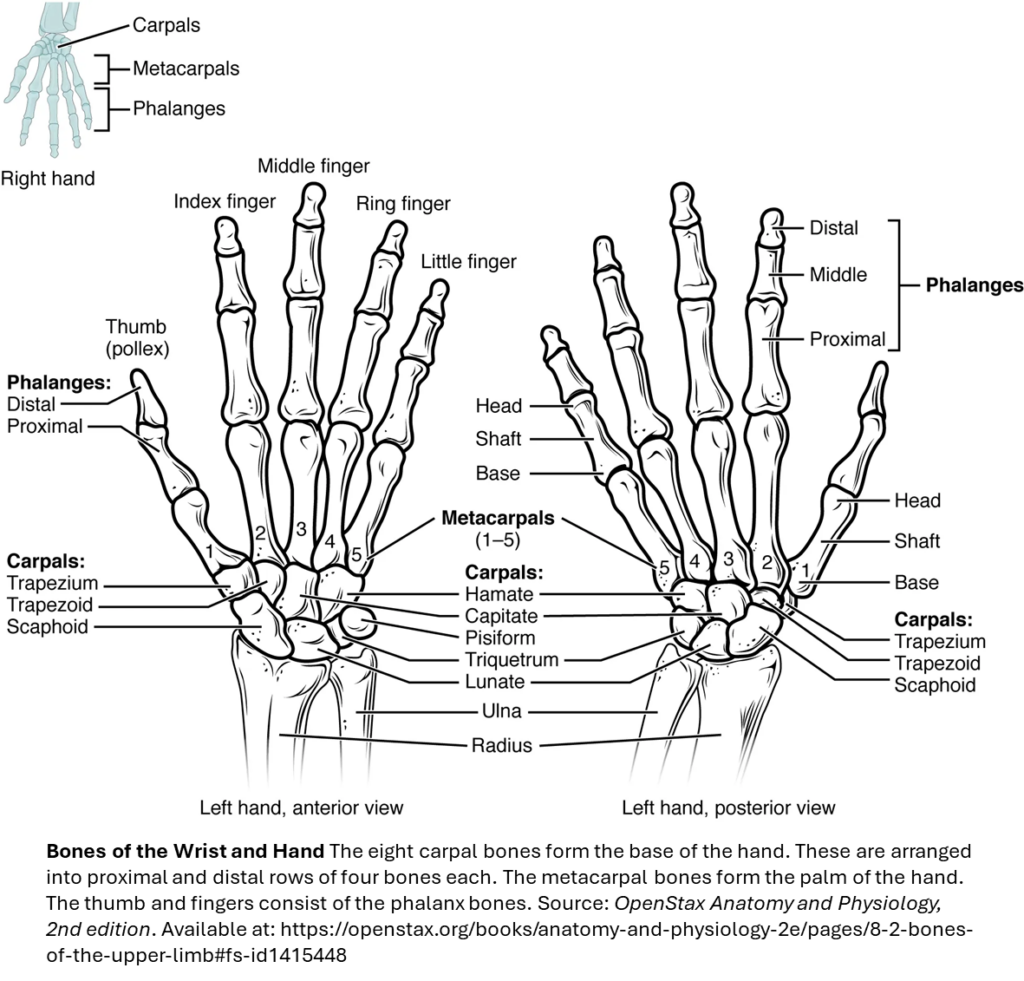
There are 27 bones in the hand:
- Phalanges – Four fingers have three phalanges each (proximal, middle, distal), while the thumb has two.
View the rotating gif of the phalanges of the left hand highlighted in red. This image is rendered using Blender Blender with polygon data from BodyParts3D by DBCLS.
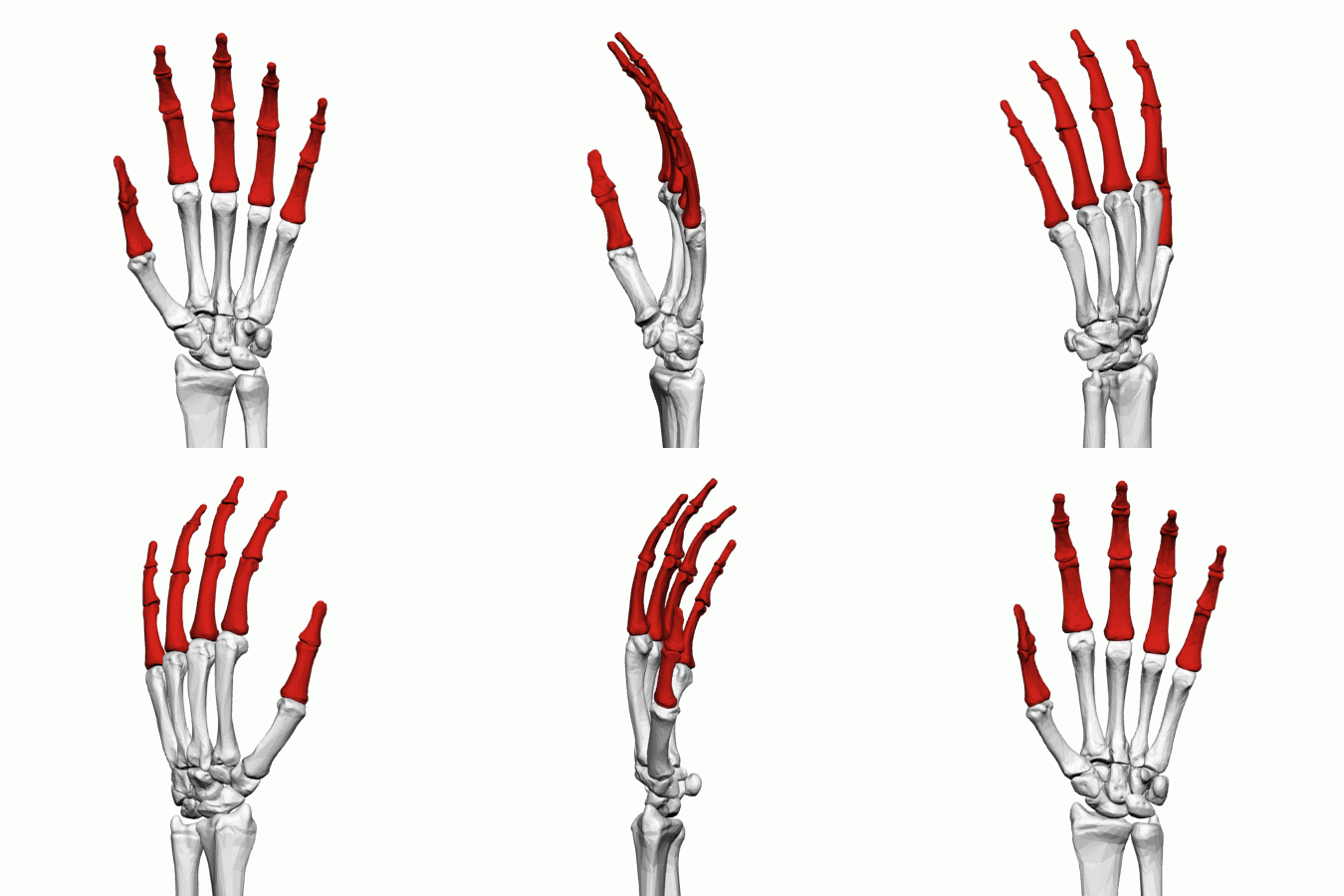
https://commons.wikimedia.org/wiki/File:
Phalanges_of_the_hand_(left_hand_-_animation01.gif) (CC BY 2.1 JP)
2. Metacarpals – Five bones forming the palm, numbered 1–5 starting from the thumb side.
View the rotating gif of the metacarpals of the left hand highlighted in red. This image is rendered using Blender Blender with polygon data from BodyParts3D by DBCLS.
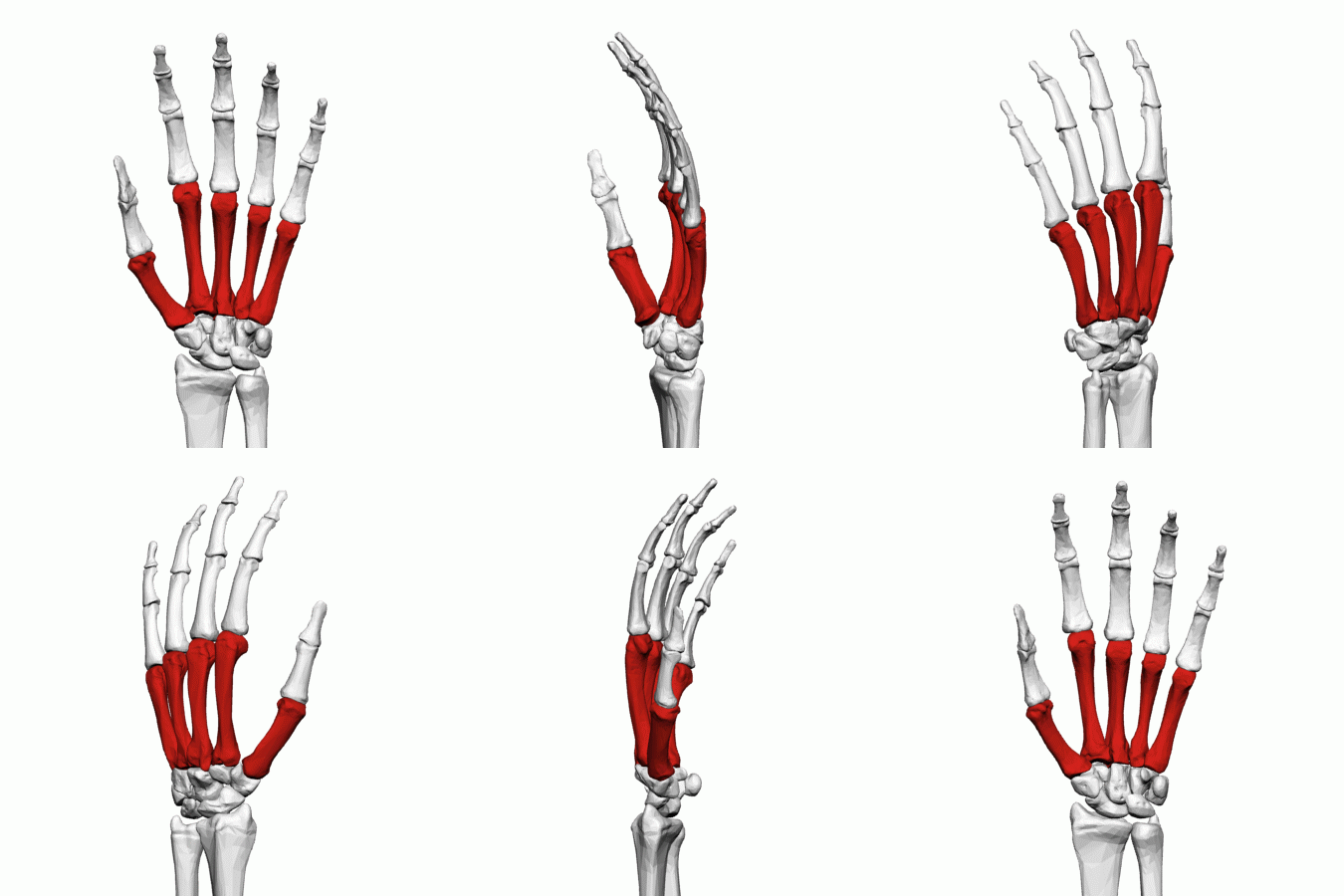
3. Carpals – Eight wrist bones arranged in two rows of four. Two bones of the proximal row articulate with the radius. (You do not need to memorize individual names.)
View the rotating gif of the carpals of the left hand highlighted in red. This image is rendered using Blender Blender with polygon data from BodyParts3D by DBCLS.
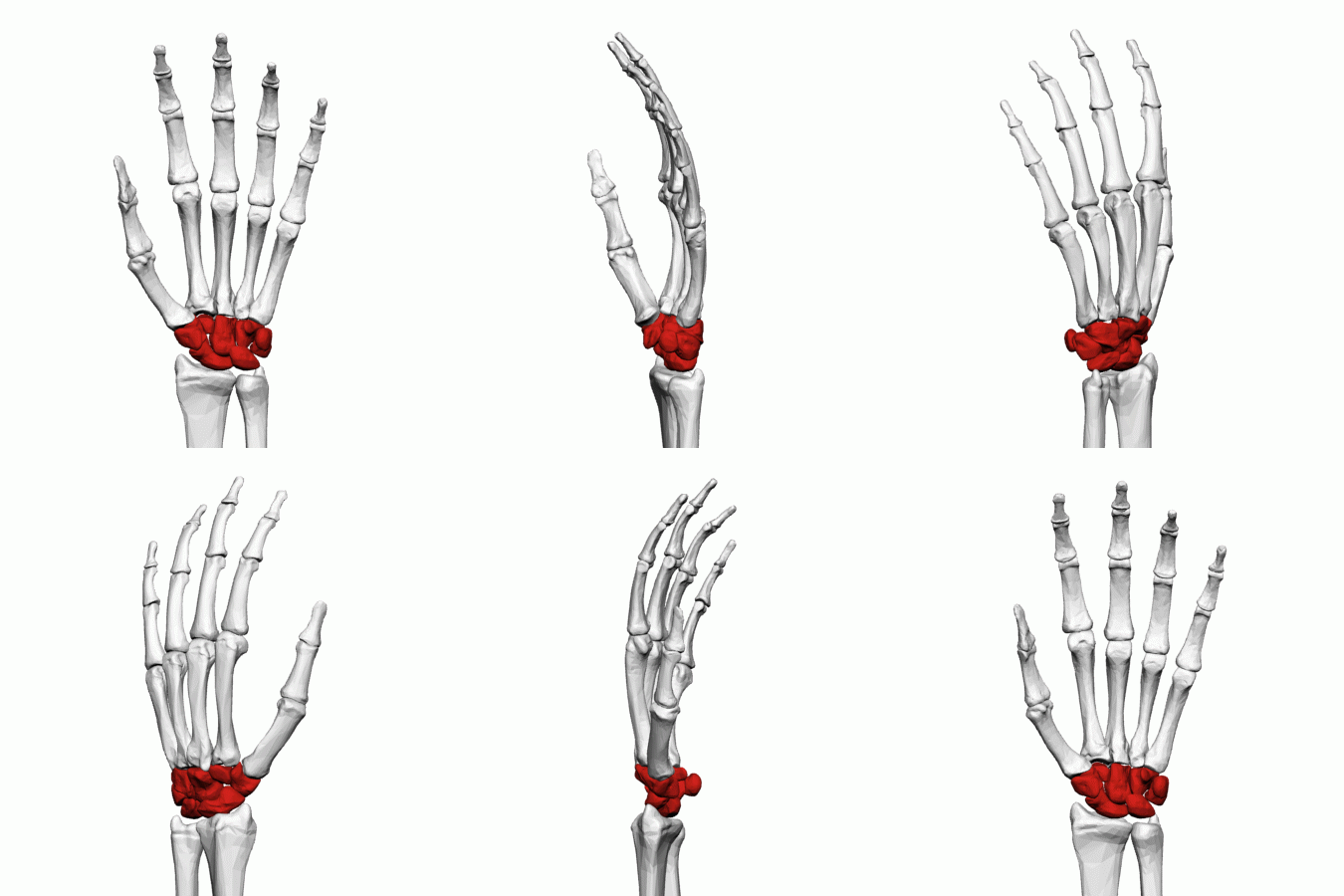
_-_animation01.gif)
 (CC BY 2.1 JP))
_-_animation01.gif)
Study Hint: “Clap your carpals and tap your tarsals”
Examine the labeled figure below. Use it to identify the carpals, metacarpals, and phalanges. Pay attention to their arrangement and numbering.